
Nearly every survey of older adults says the same thing: most of us want to stay in our own homes as we age. What's changing fast is how we do it. The tools that make aging in place practical — once clinical, clunky, and expensive — have become mainstream, affordable, and in many cases genuinely pleasant to live with. Here are seven trends we're watching in 2026, and what each one means for your home.
1. Fall Detection Moves to the Wrist
The pendant-style help button hasn't disappeared, but it now shares the market with smartwatches that detect a hard fall automatically and call for help even if you can't. For many seniors, a watch feels less like medical equipment and more like an accessory — which means it actually gets worn. If a fall would be hard for you or a loved one to recover from alone, this is the single most practical upgrade on this list.
2. Voice Assistants Become Daily Companions
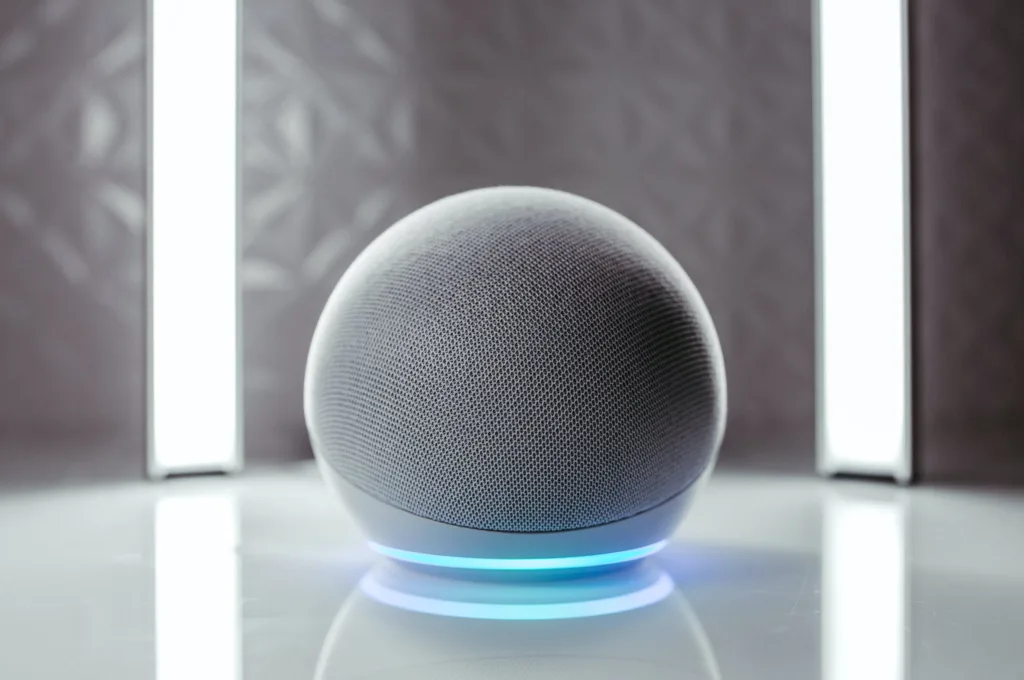
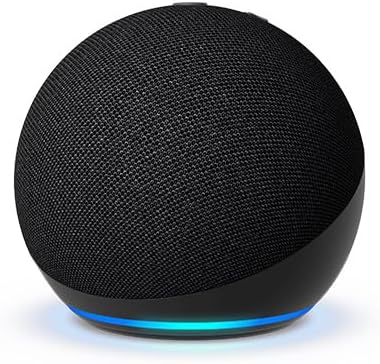
Voice assistants have quietly become one of the most senior-friendly technologies ever made — no tiny buttons, no menus, just asking out loud. In 2026 they're being used for far more than weather and music: medication reminders, calling family hands-free, controlling lights, and simply providing a bit of company throughout the day. Our guide to Alexa devices for seniors walks through the best options room by room, and our AI for seniors guide covers what these assistants can realistically do.
3. Lighting That Thinks Ahead
Poor lighting is one of the most common — and most fixable — fall hazards in a home. Motion-activated night lights that glow on automatically for a 2 a.m. trip to the bathroom cost just a few dollars each, and smart bulbs can be set to brighten hallways at dusk without anyone touching a switch. It's the least glamorous trend here and possibly the most important.
4. Smarter Front Doors
Video doorbells let you see who's there without hurrying to the door — a comfort for anyone, and a real safety feature for seniors living alone. Paired with a keypad or smart lock, they also solve the spare-key problem for family and caregivers. We compare senior-friendly options in our smart locks guide and our broader home automation guide.
5. Telehealth Is Just... Health Care Now
Routine follow-ups, prescription check-ins, and even physical therapy sessions increasingly happen over video. For seniors in rural areas or anyone for whom a clinic trip is an ordeal, this is a quality-of-life change as much as a convenience. A tablet with a large screen, decent speakers, and a simple case is all most households need to take part.
6. The Bathroom Gets the Biggest Budget
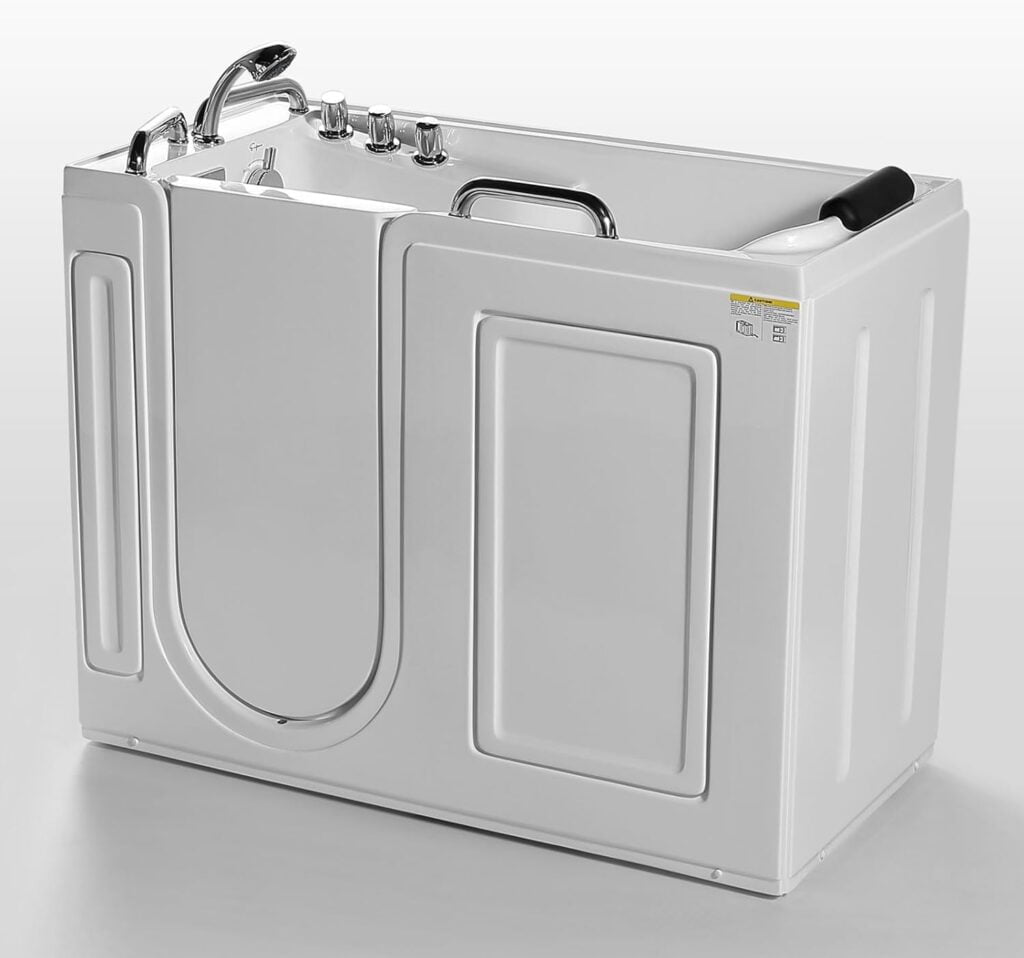
Remodelers consistently report that the bathroom is where aging-in-place money goes first — and for good reason, since it's where the most serious falls happen. Walk-in tubs, curbless showers, grab bars that look like towel bars, and comfort-height toilets have all moved from "institutional" to "standard renovation options." Start with our guides to walk-in tubs and grab bars and anti-skid mats.
7. Universal Design Stops Looking Medical
The biggest shift of all may be aesthetic. Lever door handles, zero-step entries, wider doorways, and slip-resistant flooring are now marketed to everyone as good design, not as concessions to age. That matters, because upgrades people are proud of are upgrades that actually get installed — ideally years before they're urgently needed.
The Bottom Line
You don't need to adopt all seven trends at once. A sensible 2026 starting kit is a fall-detection wearable, a voice assistant in the most-used room, motion night lights along the bedroom-to-bathroom route, and one honest look at the bathroom. Small steps now are what make "staying home" a plan rather than a hope.