Every September, Falls Prevention Awareness Month puts a spotlight on a sobering fact: according to the CDC, about one in four adults 65 and older reports falling each year, and falls remain the leading cause of injury among older adults. The good news is that most fall hazards at home are cheap and quick to fix — if you know where to look. Use the month before as your deadline: here's a room-by-room plan you can finish in a weekend or two.
Start in the Bathroom (It's the Riskiest Room)
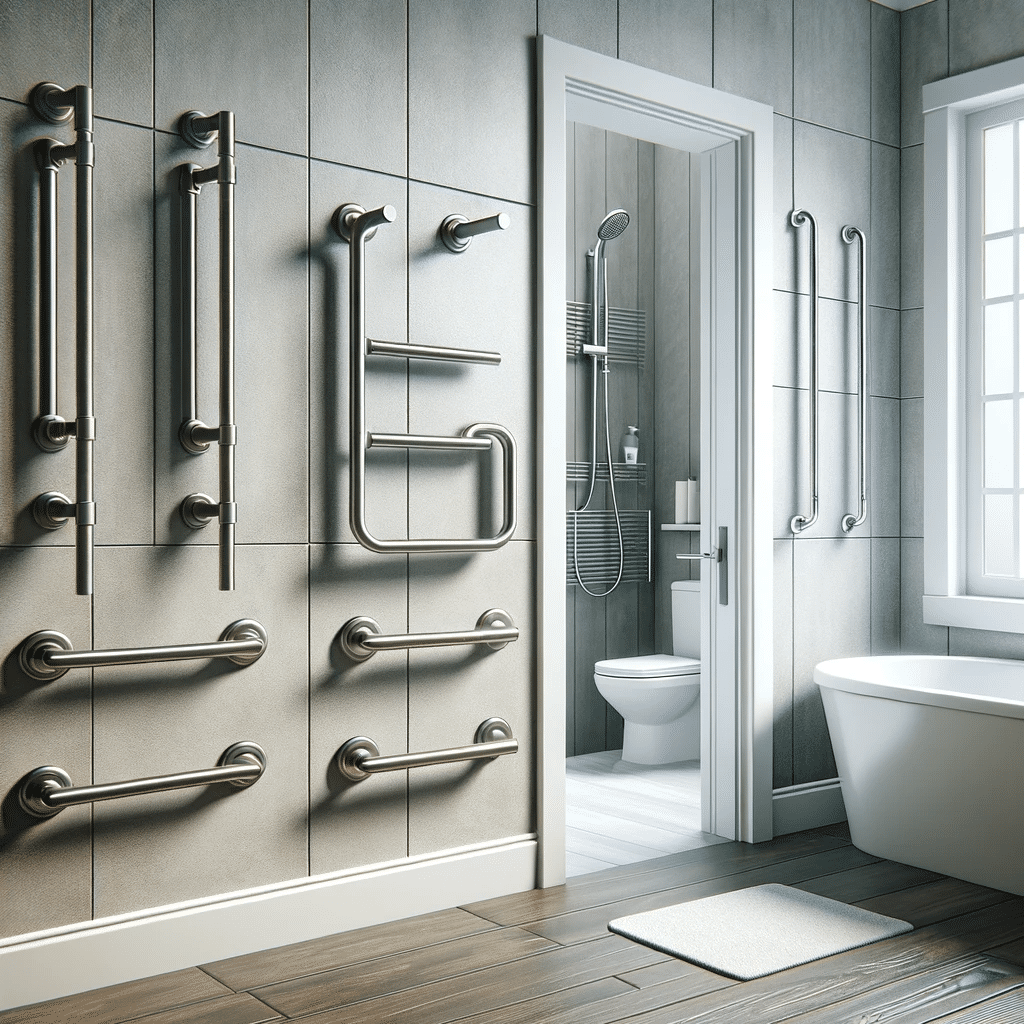
Wet, hard, and full of awkward movements — the bathroom is where home falls do the most damage. Three fixes cover most of the risk: sturdy grab bars at the toilet and in the shower (see our guides to grab bars and anti-skid mats and suction shower grab bars), non-slip mats inside and outside the tub, and a shower chair if standing for a full shower is tiring. For a bigger upgrade, a walk-in tub removes the highest step in the house entirely.
The Bedroom: Light the Night Route
Most nighttime falls happen on the well-worn path between bed and bathroom. Put motion-activated night lights along that route so it lights itself, keep a clear path free of cords and clutter, and make sure getting in and out of bed is stable — bed rails or a transfer pole give a solid handhold where it's needed most.
Stairs and Hallways: Two Hands, Two Rails
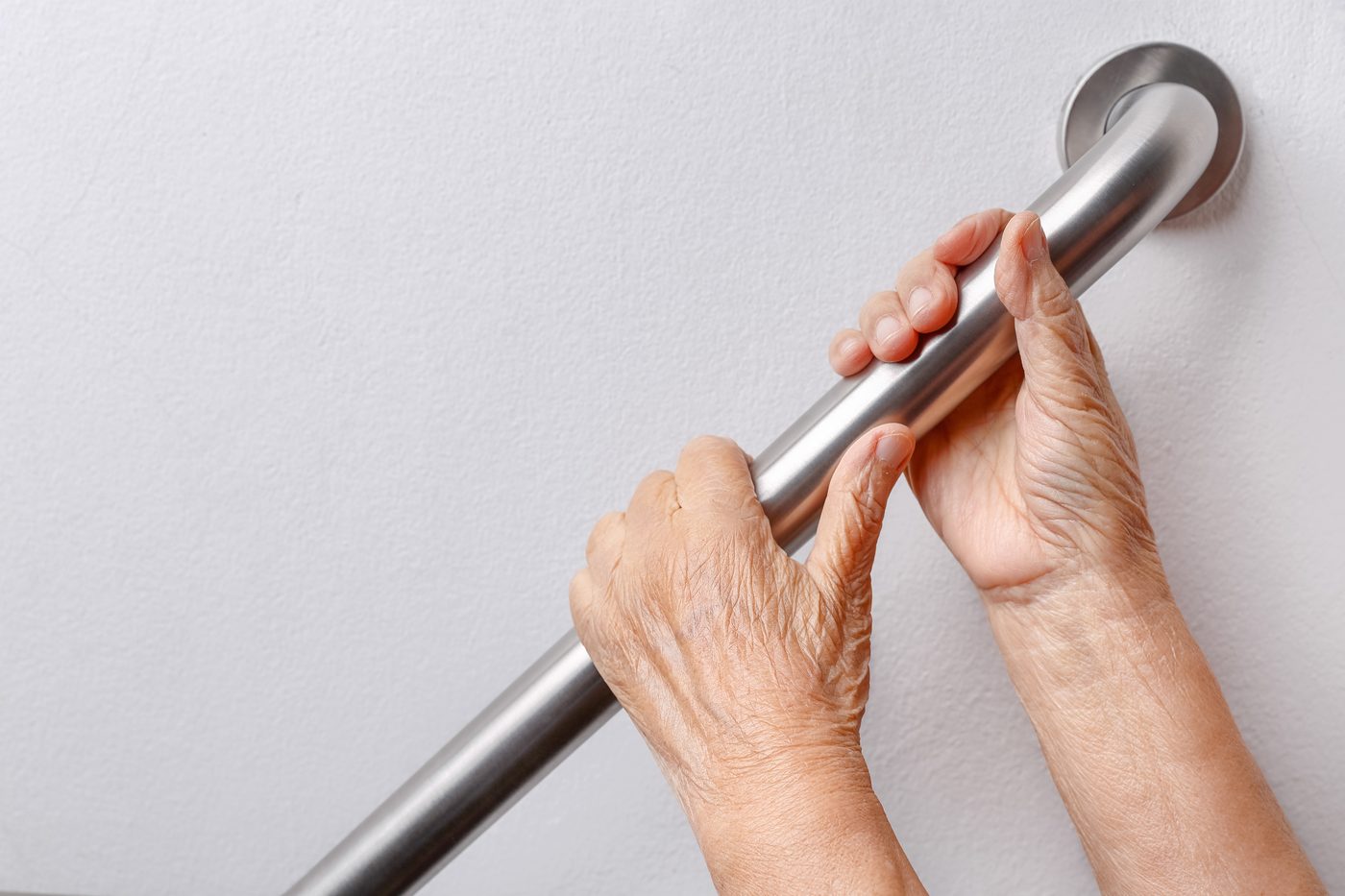
If there's one stairway rule, it's this: railings on both sides, anchored into studs, running the full length of the stairs. Add bright lighting at the top and bottom, high-contrast tape on the edge of each step if vision is an issue, and never leave objects "just for now" on the stairs.
Kitchen and Living Room: The Quiet Hazards
In the kitchen, move everyday items to waist-to-shoulder height so there's no climbing or deep bending, wipe spills immediately, and use a sturdy step stool with a handle — never a chair. In the living room, the usual suspects are throw rugs (remove them or tape them down), electrical cords crossing walking paths, and low furniture at shin height on common routes. Walk each path with fresh eyes — or better, have someone else walk it.
Don't Forget the Person in the House
Home fixes are half the plan. The other half: review medications with a doctor or pharmacist (dizziness is a common side effect), get eyes checked yearly, wear shoes or grippy slippers rather than socks on hard floors, and keep leg strength up with gentle exercise like tai chi or chair yoga. If a walker or cane has been recommended, our walkers guide covers how to choose one that fits properly.
Make It an Annual Habit
Falls Prevention Awareness Month works best as a yearly reminder rather than a one-time event. Homes change, health changes, and a checklist that passed last year may not pass this year. For deeper reading, the National Council on Aging's falls prevention resources and the CDC's STEADI program are excellent, free starting points — and our own home safety checklist makes a good companion for the walk-through.